The Three Anaesthetic Types
- Local anaesthetic. Numbs only the area being operated on; the patient is awake throughout. Used for smaller, shorter procedures.
- Local anaesthetic with sedation. Local anaesthetic combined with medication to relax the patient, sometimes to the point of light sleep, while breathing independently throughout.
- General anaesthetic. The patient is fully unconscious and breathing is supported. Used for longer or more extensive procedures.
Sedation itself sits on a spectrum, from minimal (relaxed but fully responsive) through moderate ("conscious sedation", where you may not remember much of the procedure) to deep sedation, which shades into general anaesthetic. The level planned should be discussed and agreed with you in advance, not decided once you're already on the table.
Which Procedures Typically Use Which
The choice is made jointly by the surgeon and anaesthetist based on the procedure, its expected length, and the patient's health. As a general pattern on this site's procedure guides:
- Rhinoplasty: usually general anaesthetic, reflecting the need for a controlled, still surgical field over a longer procedure.
- Blepharoplasty (eyelid surgery): often local anaesthetic with or without sedation, though general anaesthetic is also used depending on the surgeon and the extent of the procedure.
- Labiaplasty and buccal fat removal: commonly local anaesthetic with or without sedation, or general anaesthetic depending on patient preference and clinic protocol.
- Breast surgery: typically general anaesthetic, given the extent of tissue involved.
These are general patterns, not fixed rules — always confirm with your own surgeon and anaesthetist which approach they recommend for your specific case, and ask them to explain why, given your particular anatomy and health history.
Why the Anaesthetist Is a Separate Doctor
The anaesthetist is not the surgeon and is not an assistant — they are an independently GMC-registered doctor1, usually a consultant anaesthetist, responsible for your safety throughout the anaesthetic. NHS guidance describes the anaesthetic team as being led by "a specialist doctor (consultant anaesthetist)"3, and the same standard applies whether the operation takes place on the NHS or privately. Ask for their name before the day of surgery and check their GMC registration exactly as you would the surgeon's — see How to Check the GMC Register.
An anaesthetic assistant — often an operating department practitioner (ODP) or anaesthetic nurse — may support the anaesthetist during the case. This does not change who is responsible for anaesthetic decision-making: that remains the anaesthetist.
Anaesthetist Qualifications: What to Check
The Royal College of Anaesthetists (RCoA)4 sets and monitors training standards for anaesthesia in the UK. In practice, that gives you three concrete things to check:
- GMC registration with a licence to practise — required of every doctor practising in the UK.
- Listing on the Specialist Register in anaesthesia — confirms completion of full UK specialist training, visible directly on the GMC register.
- Fellowship of the Royal College of Anaesthetists (FRCA) — the postgraduate qualification reflecting the UK training and examination pathway to consultant grade.
This is the same due diligence you'd apply to the surgeon. A clinic reluctant to confirm this in writing before your admission date is itself worth noting.
Pre-Operative Anaesthetic Assessment
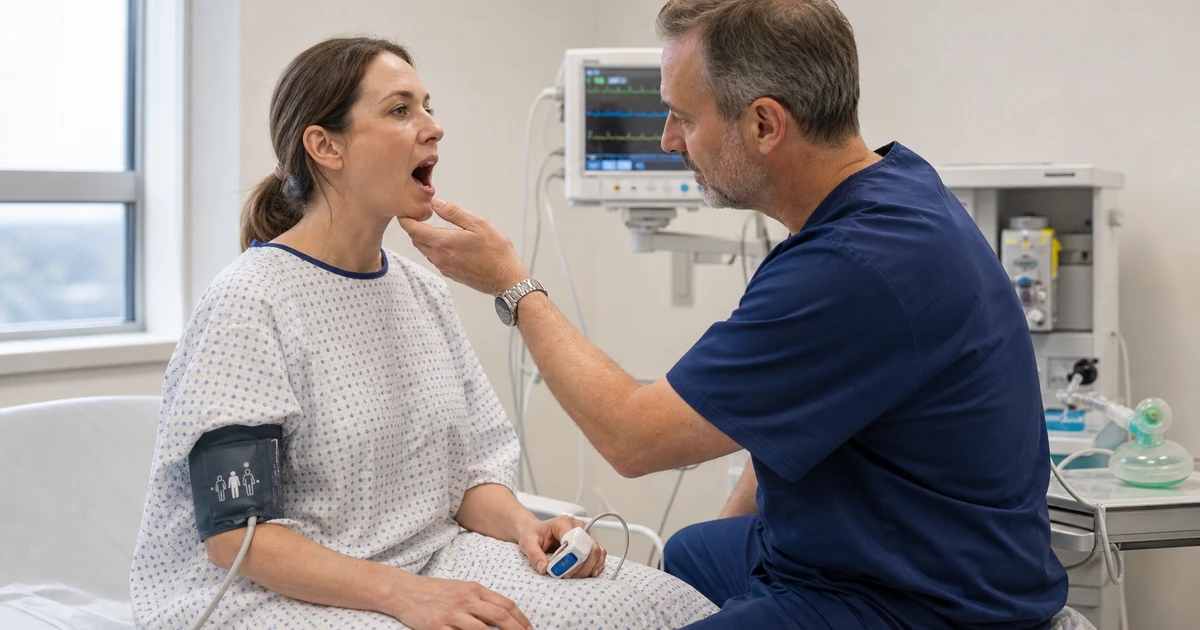
A proper assessment before surgery covers:
- Fasting instructions. NHS guidance describes needing to stop eating and drinking "a few hours before the general anaesthetic... to make sure your stomach is empty"3. UK hospitals and clinics commonly ask for around six hours without food and up to two hours without anything but clear fluids, to reduce the risk of stomach contents being inhaled while unconscious. Your clinic confirms exact timings — follow them precisely, since incorrect fasting is a common reason a procedure is cancelled on the day.
- Medication review. Blood thinners, certain supplements and some regular prescriptions may need pausing or adjusting. Bring a full list, including anything over-the-counter or herbal.
- Fitness for anaesthesia. General health, smoking status and BMI are all relevant. Anaesthetists commonly use a standard grading of overall fitness (the ASA physical status classification) as part of this assessment. See Am I Suitable for Cosmetic Surgery? for more.
This mirrors the pre-operative assessment process described generally for general anaesthesia on NHS.uk3, which sets out the same fasting, medication-review and fitness-assessment steps ahead of any procedure using a general anaesthetic.
General Anaesthetic Risks, Honestly Framed
General anaesthetic is very safe for the great majority of healthy patients, but it is not risk-free. NHS.uk groups the possible effects into two tiers3:
- Common, short-lived effects — thirst, drowsiness, a hoarse voice or sore throat, shivering, feeling or being sick, and soreness at an injection site, which "will usually get better within a few minutes or hours."
- Rare, more serious complications — a serious allergic reaction, breathing difficulties, a chest infection, and damage to teeth, mouth, eyes or nerves, which NHS.uk notes "can happen... but these are rare."
This is why pre-operative assessment exists — to identify anything that changes your individual risk before you're accepted for surgery.
Risks Specific to Local Anaesthetic and Sedation
Local anaesthetic and sedation are generally lower-risk than general anaesthetic, but "lower-risk" is not "risk-free":
- Local anaesthetic toxicity. Very rarely, too much local anaesthetic reaching the bloodstream can affect the heart and nervous system — why anaesthetists work to defined maximum safe doses rather than judging by eye.
- Incomplete numbness. Occasionally an area doesn't numb fully, needing a top-up injection or a change of plan.
- Over-sedation. Going deeper than intended can affect breathing — why sedation is delivered and monitored by a trained anaesthetist, with the same monitoring used for general anaesthetic, not by the surgeon alone.
- Allergic reactions. An individual reaction is possible with any anaesthetic agent, part of why a full medical and allergy history is taken beforehand.
Day-Case vs Overnight Stay, and the Facility's Role
Many cosmetic procedures are done as day cases; more extensive surgery may need an overnight stay. Either way, the facility must meet safety standards for anaesthetic care, recovery monitoring and emergency response. In England this is overseen by the Care Quality Commission's guidance for cosmetic surgery providers2. Read CQC-Registered Clinics for how to check registration and inspection history.
Recovery From Anaesthetic: What to Expect Afterwards
After a general anaesthetic or sedation, you're monitored in a recovery area until the team is satisfied it's safe to move you to a ward or, for day cases, discharge you. Standard discharge advice typically includes:
- Arranging a responsible adult to take you home — not driving, public transport alone, or walking home unaccompanied.
- Having someone stay with you for the first 24 hours where possible, especially after general anaesthetic or deeper sedation.
- Avoiding driving, machinery, alcohol, or signing legal documents for at least 24–48 hours, since judgement and reaction times can remain affected even once you feel normal.
- Following your clinic's own written aftercare instructions alongside this general recovery advice.
Exact timings vary by clinic — follow your own clinic's written discharge advice as the final word.
Questions Worth Asking Your Anaesthetist
- What type of anaesthetic are you recommending, and why that one for me?
- Will I meet you before the day of surgery, or only on the day itself?
- What is your plan if I have nausea, pain, or a reaction during recovery?
These sit alongside Questions to Ask at a Cosmetic Surgery Consultation — an unhurried answer to each is itself a marker of a well-run clinic.
FAQ
Who gives the anaesthetic during cosmetic surgery?
A separate, GMC-registered anaesthetist — usually a consultant on the GMC Specialist Register in anaesthesia — distinct from the operating surgeon. They lead your pre-operative assessment and remain responsible for your safety throughout. Ask for their name in advance and check their registration exactly as you would the surgeon's.
Is general anaesthetic always needed for cosmetic surgery?
No. Many procedures use local anaesthetic with or without sedation, particularly shorter or smaller operations. The choice depends on the procedure, its length, and your individual health. Your surgeon and anaesthetist will jointly recommend the most appropriate option, and you can ask why before agreeing.
Why does the pre-operative assessment matter?
It checks fasting compliance, reviews your medication, and assesses fitness for anaesthesia, including factors like smoking and BMI. Getting this wrong is one of the most common reasons a procedure is cancelled or delayed on the day, so following the written instructions precisely genuinely matters.
What should I check about my anaesthetist's qualifications?
Confirm they are GMC-registered with a licence to practise and, ideally, listed on the Specialist Register in anaesthesia. Fellowship of the Royal College of Anaesthetists (FRCA) reflects UK specialist training. Ask the clinic for their name before your admission date, not on the day itself.
What are the most common side effects of general anaesthetic?
NHS guidance lists thirst, drowsiness, a sore or hoarse throat, shivering, and feeling or being sick as common effects that usually settle within hours. Serious complications such as a severe allergic reaction or breathing difficulty are rare, which is why pre-operative assessment and monitored recovery both matter.